- VietTAS Hotline: 0918516181

Galera Bet cassino online jogue caa-nqueis e roleta com bnus exclusivos.521
10 November, 2025Download 1xBet App Your Ultimate Betting Companion -1377762936
10 November, 2025The Rise of Mobile Forex Trading Opportunities and Challenges 1704674329

The Rise of Mobile Forex Trading: Opportunities and Challenges
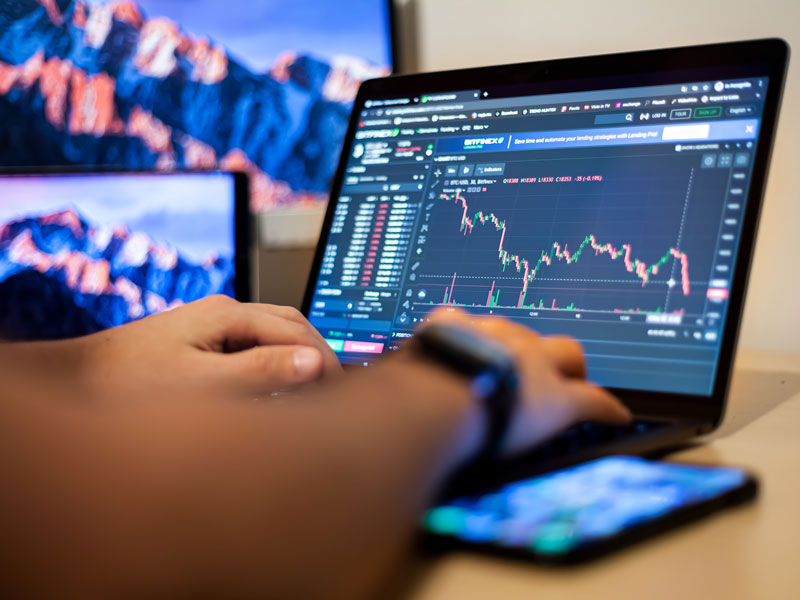
In recent years, the world of finance has seen a significant shift towards mobile platforms, particularly in the realm of forex trading. As investors seek flexibility and convenience, mobile forex trading trading-uganda.com and other brokers have adapted their services to cater to this growing demand. This article explores the advantages and challenges associated with mobile forex trading, shedding light on its popularity and future potential.
The Evolution of Forex Trading
Forex trading, or the trading of foreign currencies, has traditionally been a domain dominated by large banks and institutional investors. However, the advent of the internet and technological advancements have democratized forex trading, allowing individual traders to participate in global markets. The rise of mobile technology further propelled this trend, enabling traders to manage their investments directly from their smartphones or tablets.
Advantages of Mobile Forex Trading
1. Accessibility
One of the most significant advantages of mobile forex trading is the accessibility it provides. Traders can access their accounts anytime and anywhere, whether they are commuting to work, on vacation, or at a coffee shop. This flexibility allows traders to react quickly to market fluctuations and seize opportunities as they arise.
2. User-Friendly Interfaces
Modern mobile trading platforms have intuitive designs, making it easier for both novice and experienced traders to navigate the complexities of forex trading. Features such as customizable dashboards, real-time quotes, and one-click trading enhance the user experience and make trading more efficient.
3. Real-Time Data and Notifications
Mobile forex trading apps provide real-time data and notifications about market changes, helping traders stay informed. Many platforms offer advanced charting tools and technical analysis features that assist in making informed trading decisions. Moreover, traders can set price alerts to be notified instantly of significant market movements.
Challenges of Mobile Forex Trading
1. Security Concerns
While mobile trading apps have made forex trading more accessible, they are not without risks. Mobile devices are susceptible to hacking, phishing, and malware attacks. Traders must ensure that they are using secure connections, enabling two-factor authentication, and choosing reputable trading platforms to protect their investments.
2. Limited Functionality
Although mobile trading platforms have advanced significantly, they may still lack some features offered by desktop trading platforms. For instance, comprehensive analytical tools or advanced order types may be limited on mobile apps. Traders who rely heavily on these features may find mobile trading restrictive.
3. Distractions and Overtrading
Trading on mobile devices can lead to distractions, as notifications from other apps may interrupt focus. Additionally, the ease of access to trading can lead to overtrading, where individuals make impulsive decisions based on short-term market movements rather than careful analysis. It is crucial for traders to remain disciplined while using mobile platforms.
Choosing the Right Mobile Forex Trading Platform
With many mobile forex trading platforms available, selecting the right one can be daunting. Here are some factors to consider when choosing a mobile forex trading app:
1. Regulatory Compliance
Ensure that the trading platform is regulated by a reputable financial authority. Regulatory compliance enhances the credibility of the broker and provides a level of protection for your investments.
2. Demo Account

Many brokers offer demo accounts that allow traders to practice without risking real money. Utilizing a demo account can help you become familiar with the platform’s features and test your trading strategies before committing funds.
3. Customer Support
Reliable customer support is vital, particularly if you encounter issues while trading. Look for brokers that offer multiple channels of support, including live chat, email, and phone support, to ensure assistance is readily available when needed.
4. Fees and Spreads
Different brokers have varying fee structures, including spreads and commissions. It is essential to understand these costs as they can significantly impact your profitability. Compare different platforms to find one with competitive fees that align with your trading style.
The Future of Mobile Forex Trading
The future of mobile forex trading looks promising as technology continues to evolve. Artificial intelligence and machine learning may play a significant role in providing smarter trading tools and personalized trading experiences. Additionally, the integration of blockchain technology could enhance transparency and security in transactions.
As more traders embrace mobile trading, the development of sophisticated applications will likely continue, offering enhanced functionalities and features. Overall, mobile forex trading is set to remain a key component of the financial landscape, empowering traders with the flexibility to pursue opportunities in an increasingly fast-paced market.
Conclusion
Mobile forex trading has transformed the way individuals participate in the currency markets, offering unprecedented accessibility and convenience. While there are challenges to overcome, the benefits significantly outweigh the drawbacks for many traders. As mobile technology continues to advance, the future of forex trading will likely be shaped by the innovations that arise in this dynamic environment.
Whether you are an experienced trader or just beginning your journey, staying informed about mobile trading trends and developments is essential. Embrace the opportunities that mobile forex trading presents, and take advantage of the myriad tools and resources available to enhance your trading experience.